
CNT Conductive Tile
CNT CONDUCTIVE FLOOR TILE
A floor that helps control static electricity.
Think of the small shock you sometimes feel when touching a door handle. That is static electricity.
It can also affect sensitive electronic equipment. CNT floor tiles help this electricity flow away through the floor.
For spaces with sensitive equipment, from data centers and laboratories to production and healthcare facilities.
See the difference inside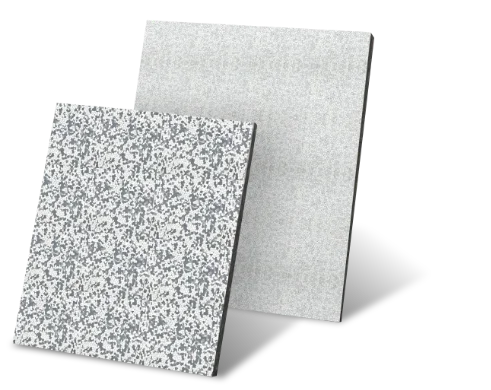 Explore the floor tile
THE DIFFERENCE INSIDE
The difference is in the fine carbon tubes.
Some floor tiles use carbon particles to carry electricity. CNT tiles use very fine carbon tubes instead.
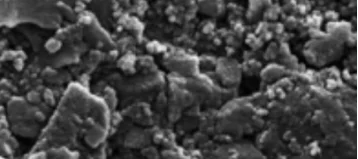
CONVENTIONAL APPROACH
Carbon particles
The conventional approach uses carbon black or graphite.
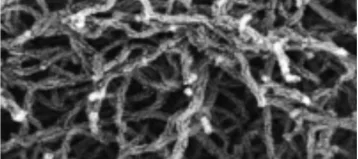
THE CNT APPROACH
Fine carbon tubes
These tubes are called carbon nanotubes, or CNT for short.
Microscope images of the materials at 10,000× magnification.
Explore the technology in more detail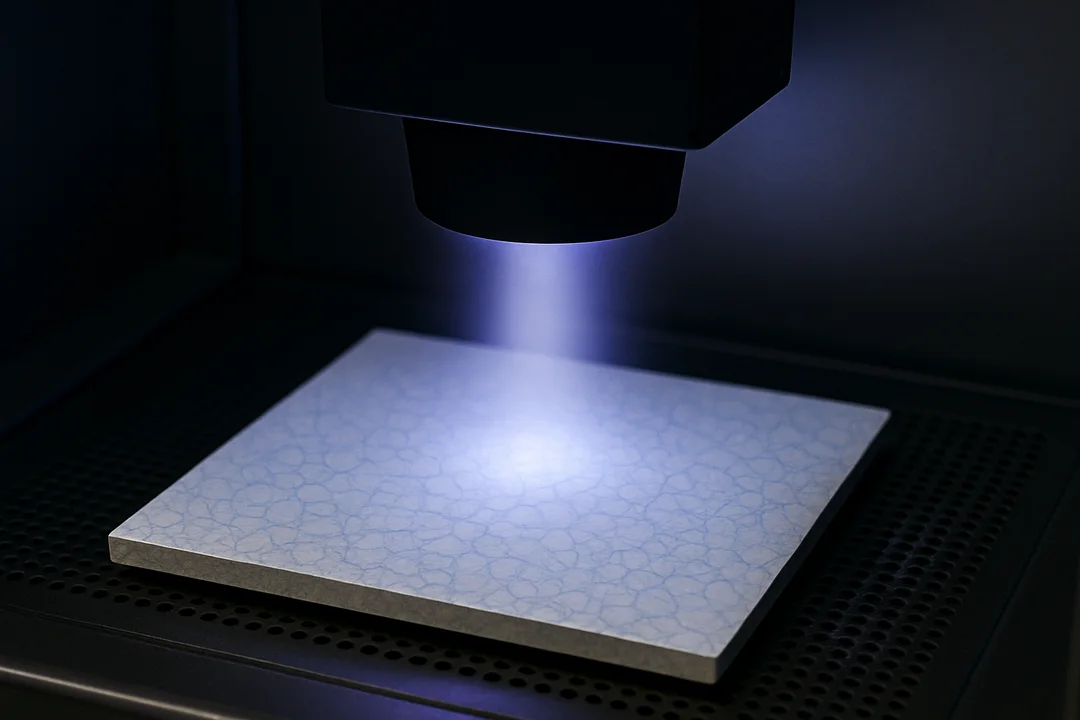 CNT / UV
UV STABILITY
Flooring that keeps performing under UV light.
Conductive flooring helps carry accumulated static electricity away. UV stability means that the floor can retain this function and its surface appearance when exposed to ultraviolet (UV) light.
According to the manufacturer's published UV information:
- After 50,000 mJ of UV exposure, no change in the tile's ability to conduct electricity is reported.
- In spaces with LED equipment, long-term use under the low levels of UV generated by this equipment is reported without performance degradation.
- Surface appearance and electrical properties are maintained together. Less yellowing and resistance change are reported compared with competing products.
Thickness options2.0 / 3.0 mm
Nominal tile size600 mm
Flooring configurationsStandard / Raised
All specificationsFields of application.
All applications ↗ 01
Telecommunication & data centers
Server rooms · Control rooms · Network facilities
 02
Semiconductor & electronics
Chip manufacturing · Circuit board production · Electronics factories
 03
Medical facilities
Operating rooms · CT rooms · MRI equipment rooms
 04
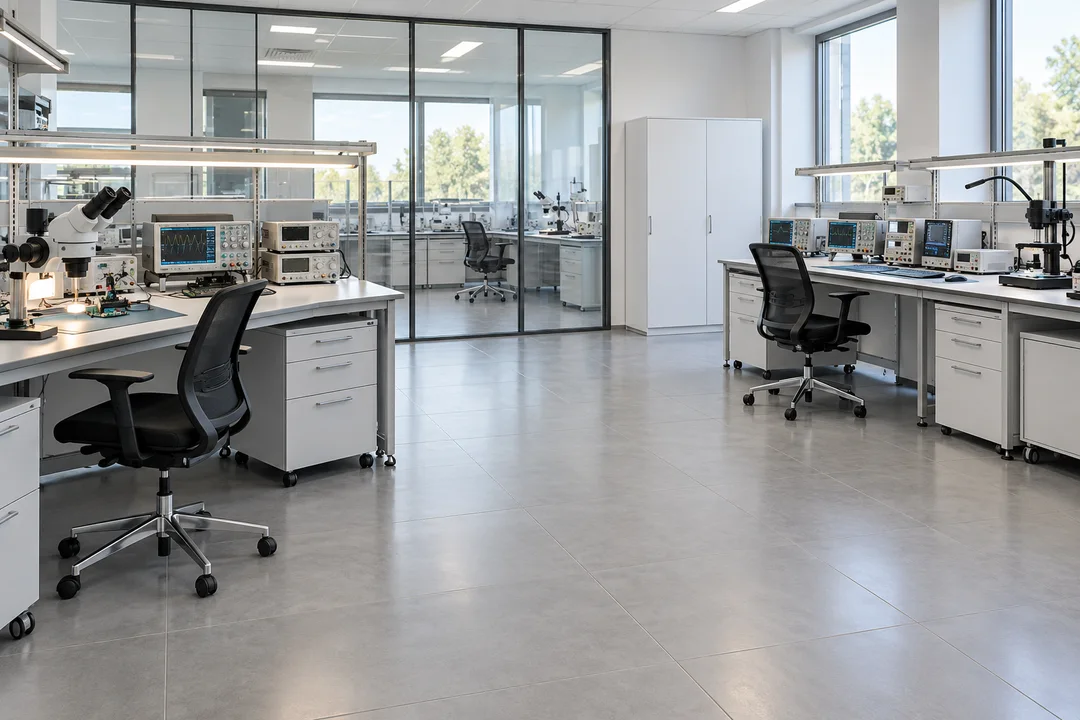
Laboratories & test areas
Electronic test rooms · Measurement areas · Research laboratories
 05
Pharmaceutical production & cleanrooms
Pharmaceutical laboratories · Cleanrooms · Controlled production areas
 06
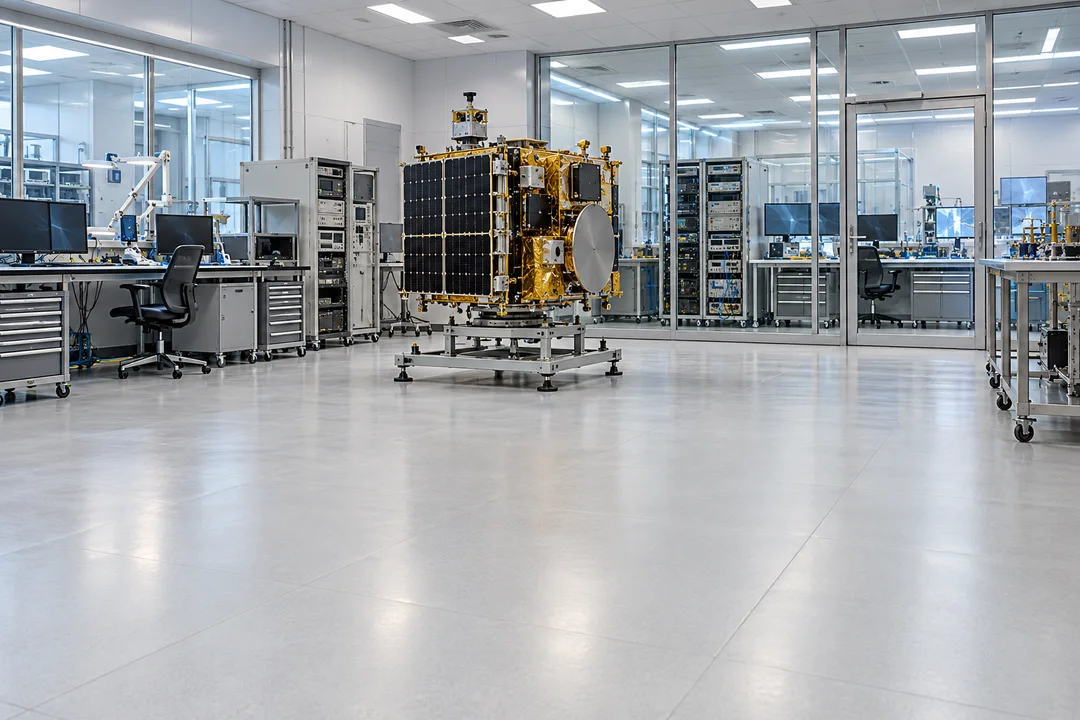
Aviation & aerospace facilities
Electronics assembly · Test and inspection areas · Precision equipment rooms
 07
Electronics service & repair
Technical service workshops · Repair rooms · Equipment test areas
01 — 03/ 07
CONTROLLED MANUFACTURING
Consistency begins in production.
Inline CNT coating, continuous double belt pressing and controlled curing. Connected manufacturing stages work together to create a uniform flooring material.
Explore the process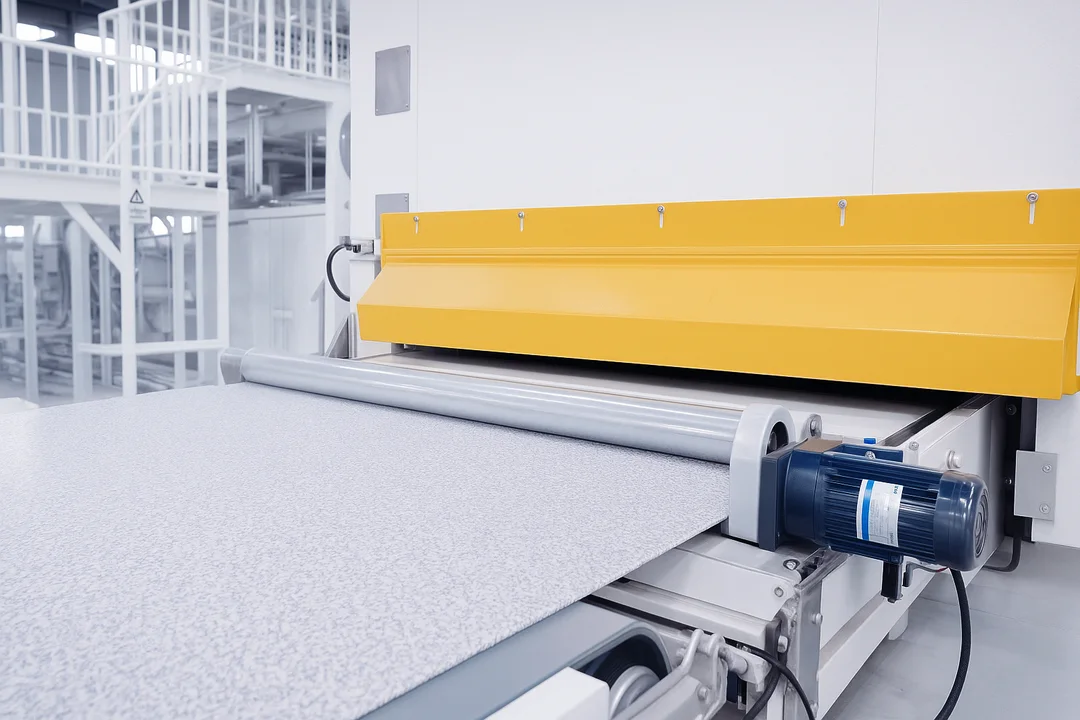
The information you need for your next step.
Dimensions, product comparisons and manufacturer information in one place.
FREQUENTLY ASKED
Clear answers to your questions.
What is a CNT conductive floor tile?
CNT is a floor tile that helps carry static electricity away through the floor. It uses carbon nanotubes as its conductive component and is developed for environments containing sensitive electronic equipment.
What makes CNT tiles different from other conductive tiles?
The main difference is the structure of the carbon used to provide conductivity. The conventional approach uses carbon black or graphite particles. CNT tiles use very fine carbon tubes dispersed in a special binder.
Where are CNT conductive tiles used?
They are used in data centers, electronics manufacturing, healthcare, laboratories, pharmaceutical production and cleanrooms, aerospace facilities, and electronics service areas. Flooring selection depends on the static control requirements of the space.
Which thickness options are available?
CNT conductive tiles are available in nominal thicknesses of 2.0 mm and 3.0 mm. Both options have a published nominal tile size of 600 mm. Weight and tolerance values can be compared on the specifications page.